About Us
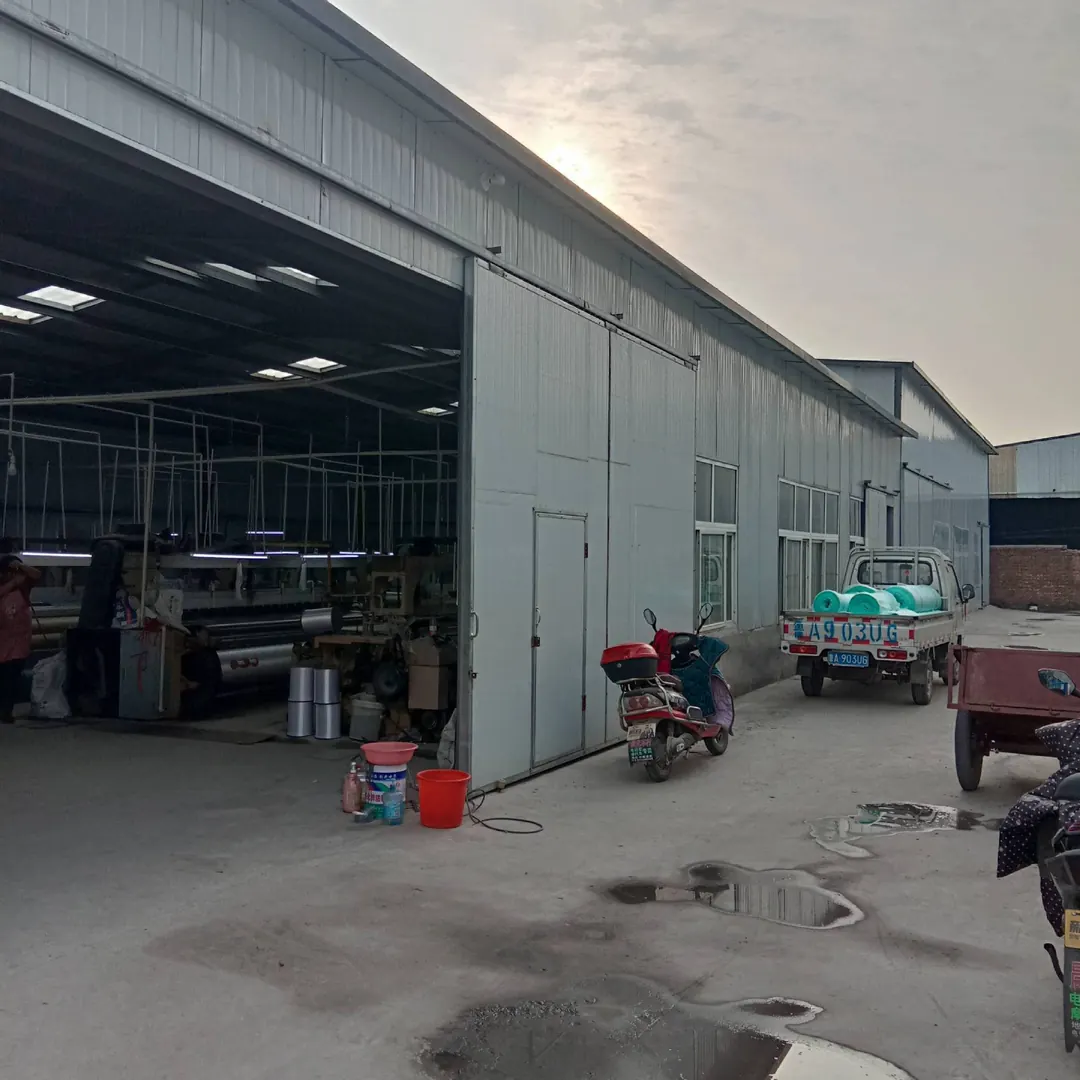
CROPBASTION is a woven HDPE insect netting manufacturer based in Jinan, Shandong Province, China. Since 1998 we have produced monofilament yarn and woven it into agricultural insect netting under one roof — from raw resin to finished roll. This page shows you what that looks like in practice.
Our Story
We started in 1998 with a simple focus: monofilament HDPE yarn and the fabrics woven from it. Over 28 years that focus has not changed. Today the factory runs more than 100 dedicated machines covering the full chain — yarn extrusion, winding, warping and weaving — so every metre of netting is made and inspected by the same team, in the same plant, under the same quality standard.
Our range covers 40 to 100 mesh (120 and 140 mesh available on request), weights from 20 to 40 GSM, and widths from 1 to 3 metres with custom widths available. Everything is woven — not knitted — monofilament HDPE, UV-stabilized for outdoor service and backed by a 5-year limited material warranty.
From Resin to Roll: How Our Insect Netting Is Made
Most traders buy netting from someone else's looms. We make our insect netting from the first pellet. That is why we can hold a mesh opening to spec, adjust width without a middleman, and show you photos of your own order on the machine. Here is the process, with real photos from our workshop:
Raw Material
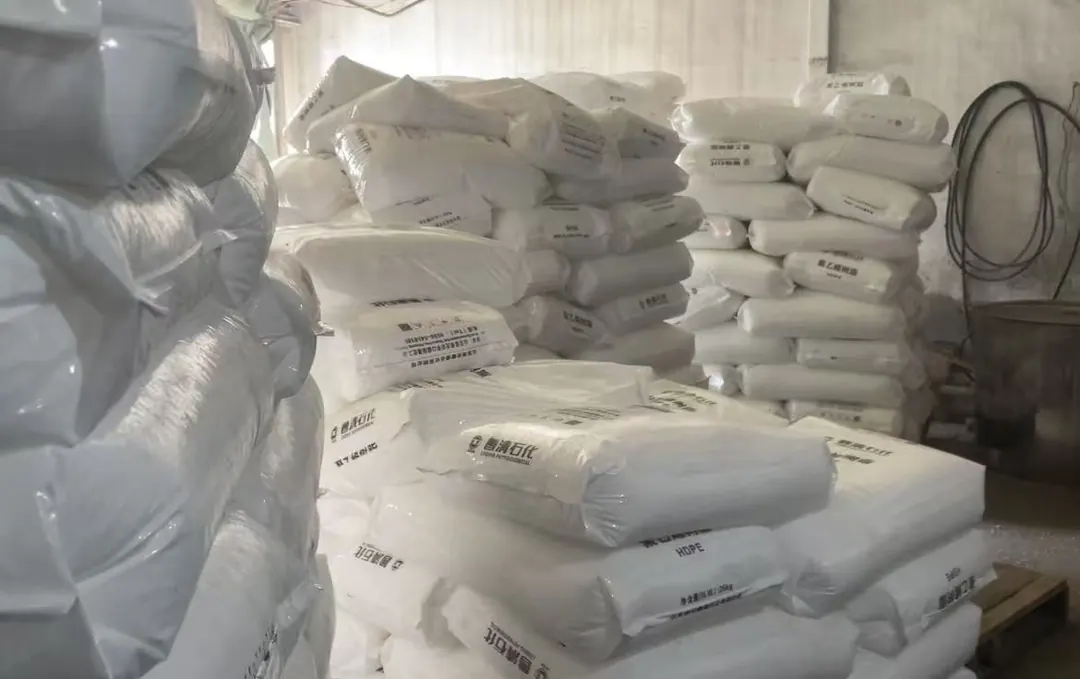
UV-stabilized HDPE resin, batch-checked on arrival before it enters production.
Yarn Extrusion
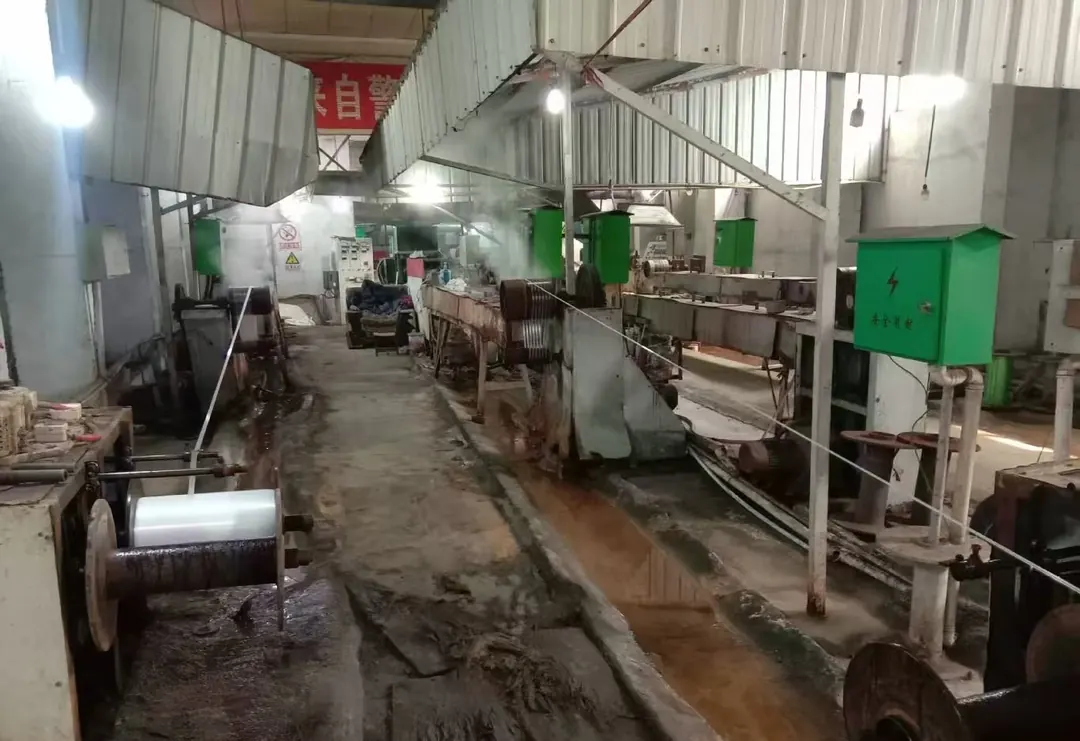
We melt the resin and draw it into monofilament yarn — the yarn diameter decides the mesh opening.
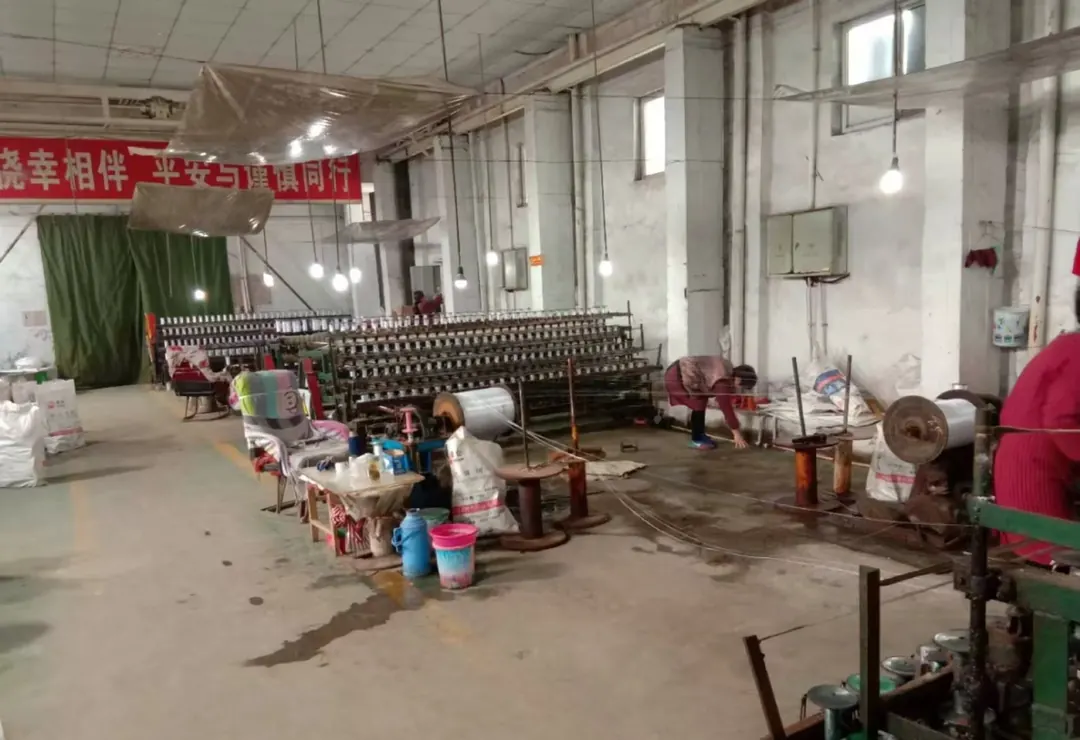
Winding
We wind the yarn onto bobbins and sort it for weaving, checking tension roll by roll.
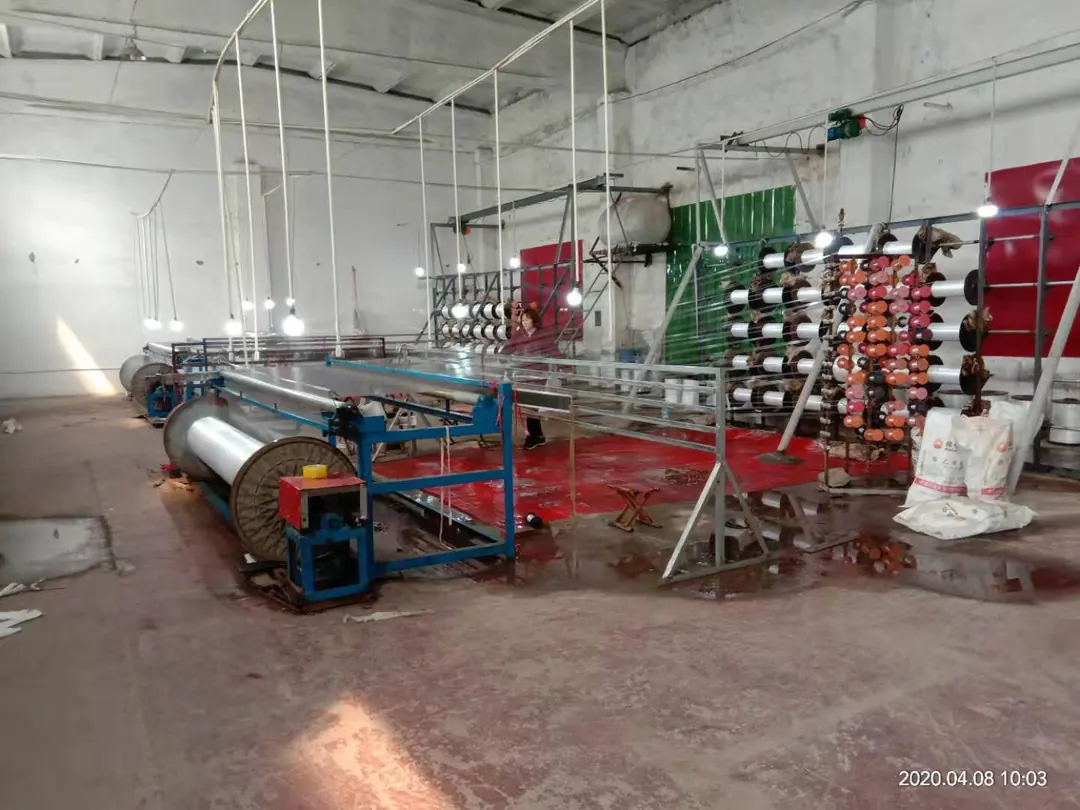
Warping
Workers wind thousands of yarn ends onto warp beams in the exact count each mesh requires.
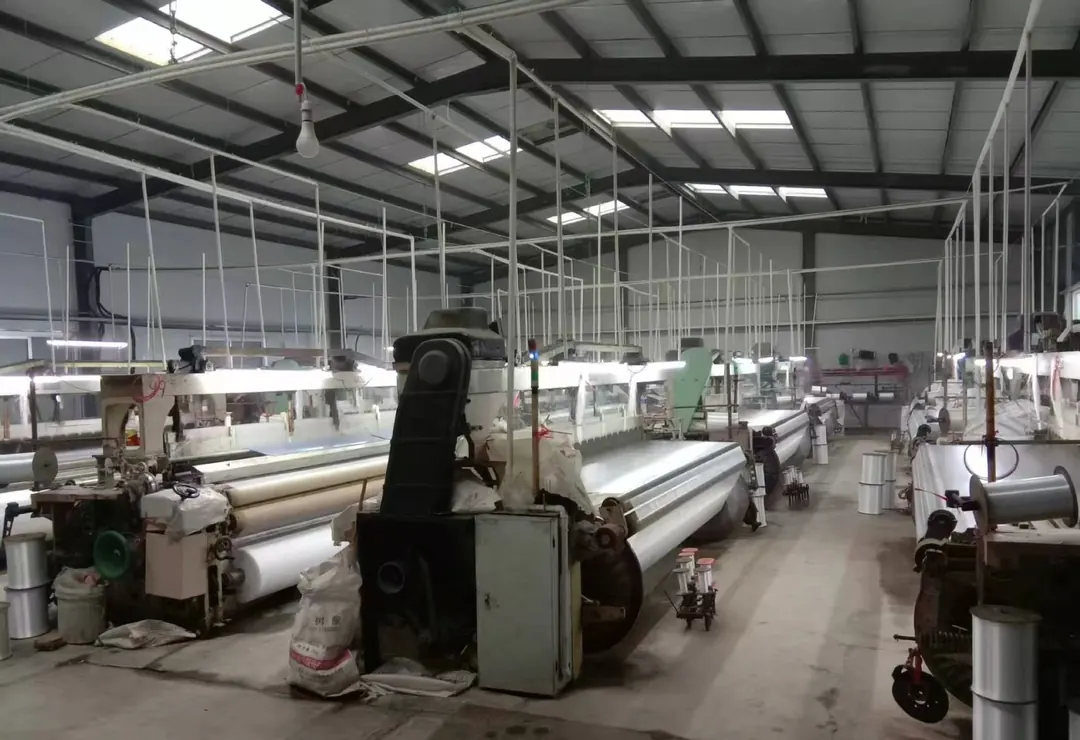
Weaving
100+ looms weave the net. We inspect mesh count, opening and weight against the confirmed spec.
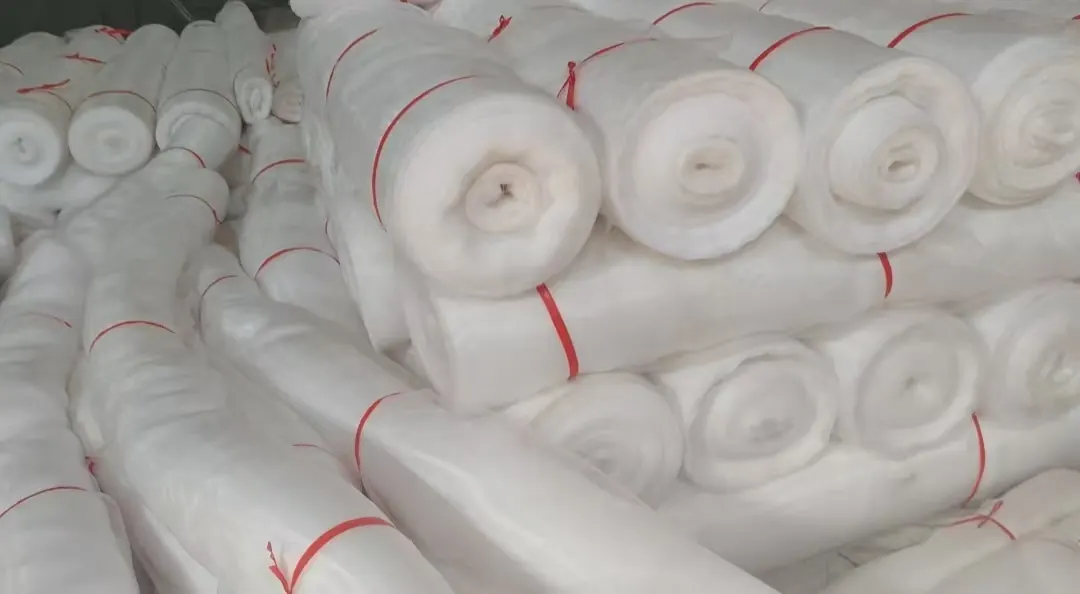
Rolls & Packing
We bundle, label and pack every roll — ready for third-party inspection or container loading.
What We Stand For
Honest specifications. We quote the actual mesh opening in millimetres, not just a mesh count. If a mesh will not stop thrips, we say so before you order — and suggest what will.
Own production, own responsibility. Because we weave our insect netting in-house, there is no trading layer between your order and the loom. Custom mesh, weight and width are quoted directly by the people who will run them.
OEM without friction. Your labels, your packing marks, your artwork — produced under our roof and shipped under your brand.
Want to see the net before you commit? Ask for a sample roll cut from a running order.
Contact Us