HDPE Insect Netting Products — 40 to 100 Mesh
Five woven HDPE insect screens, one for each pest problem: 40, 60, 80 and 100 mesh, plus a heavy-duty 60 mesh for windy sites. Same factory, same UV-stabilized yarn, widths from 1 m to 3 m — choose the mesh that matches what you are keeping out.
The Range
Every product below is woven from 100% virgin HDPE monofilament, UV stabilized inside the yarn rather than coated afterwards. Hover a card to see the weave close-up.
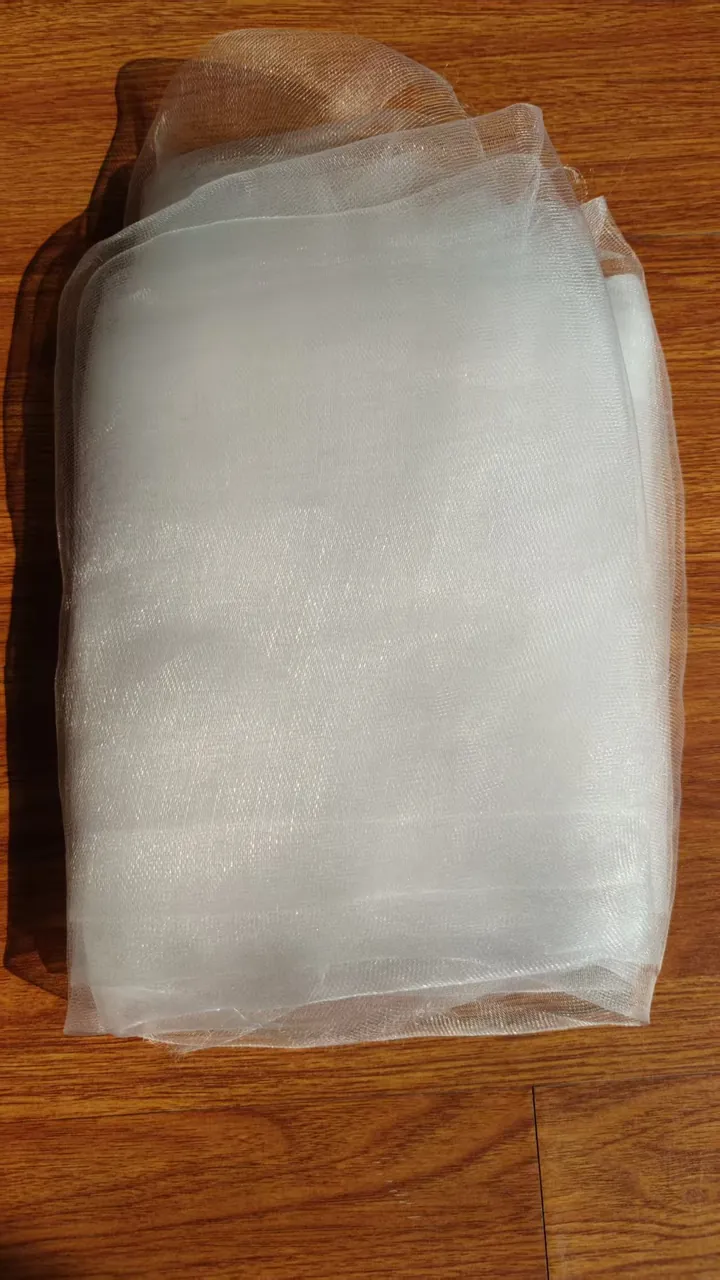
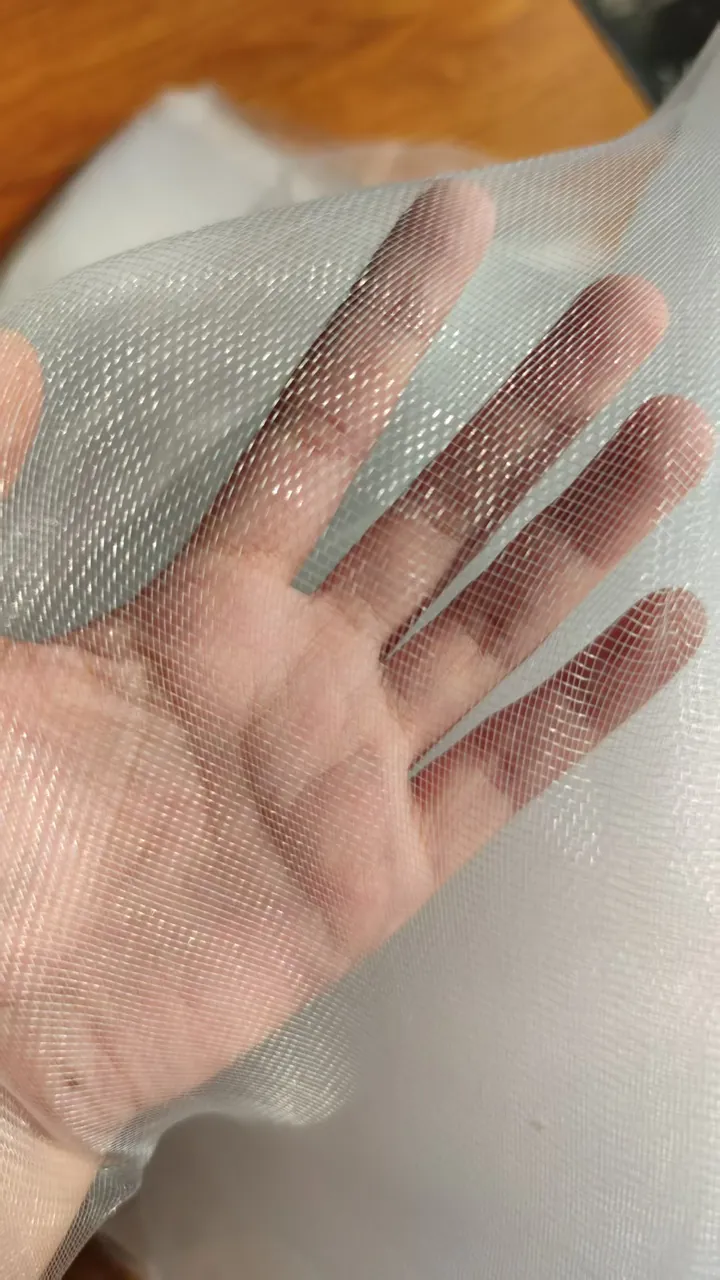
40 Mesh HDPE Insect Netting
Light, open weave for maximum airflow — fruit flies, moths and beetles out, ventilation in.
View details →
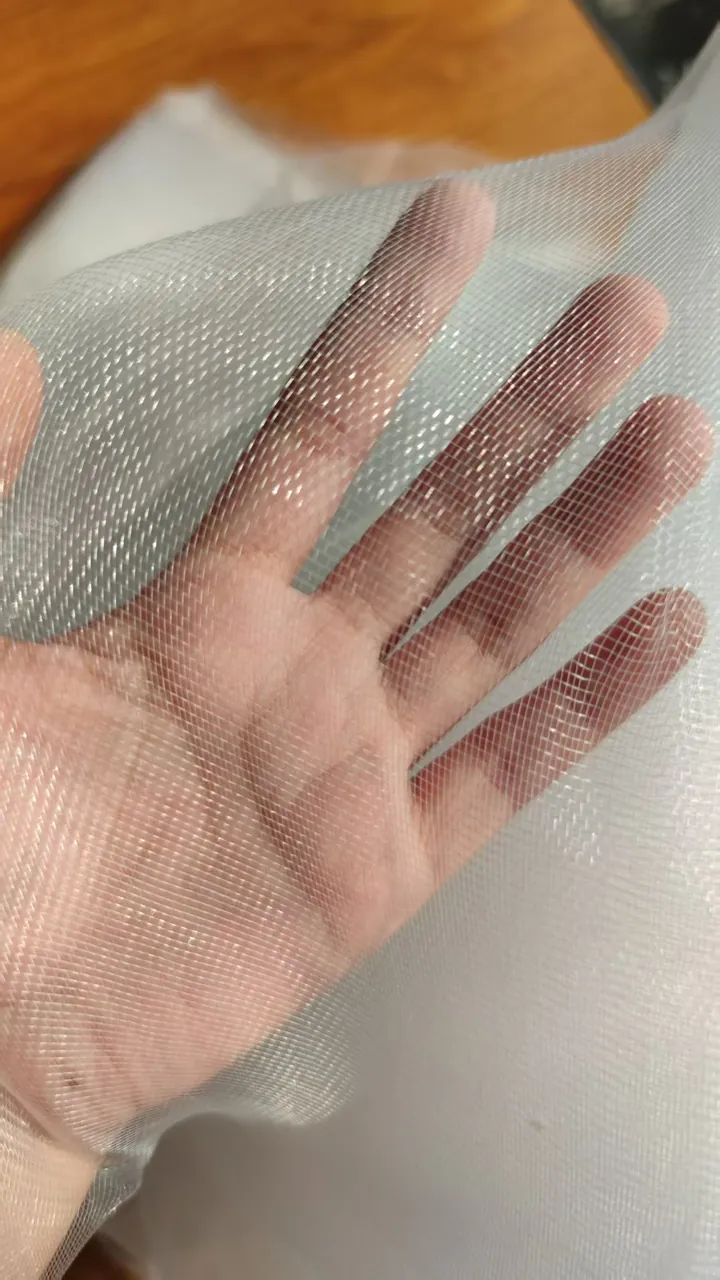
60 Mesh Standard Insect Netting
The everyday all-rounder for open fields, tunnels and vegetable crops at the lowest cost per m².
View details →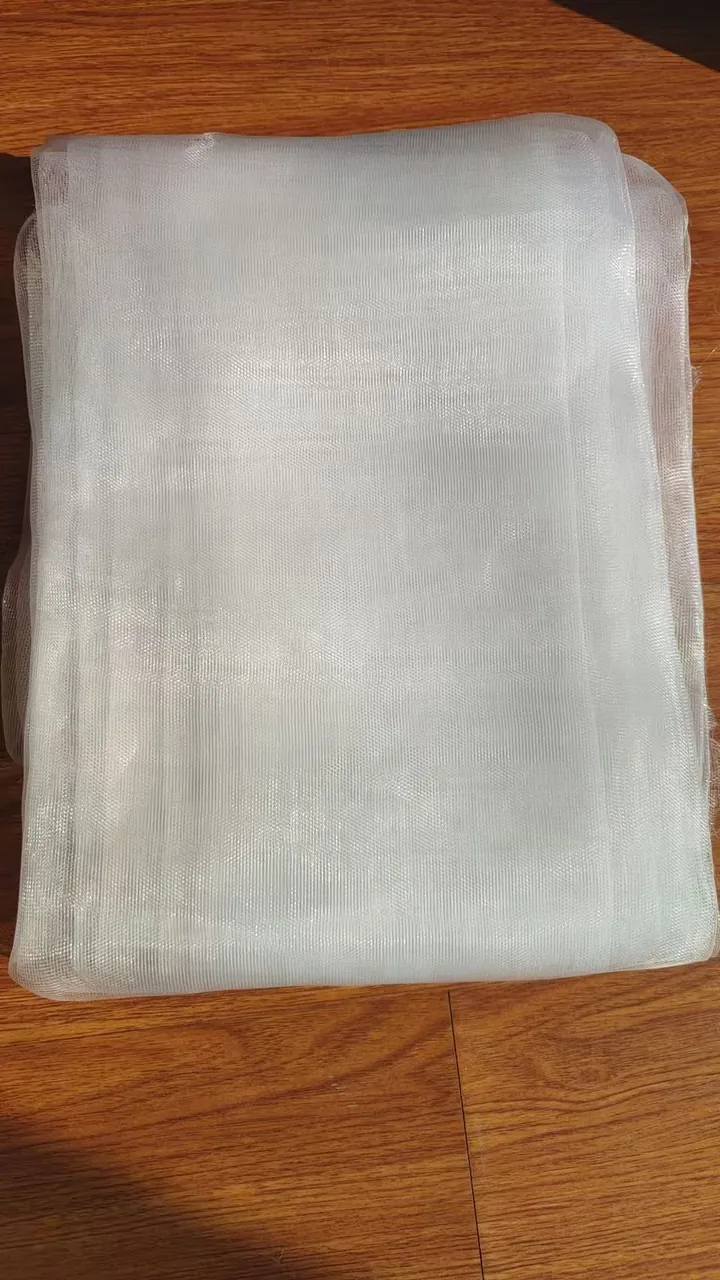
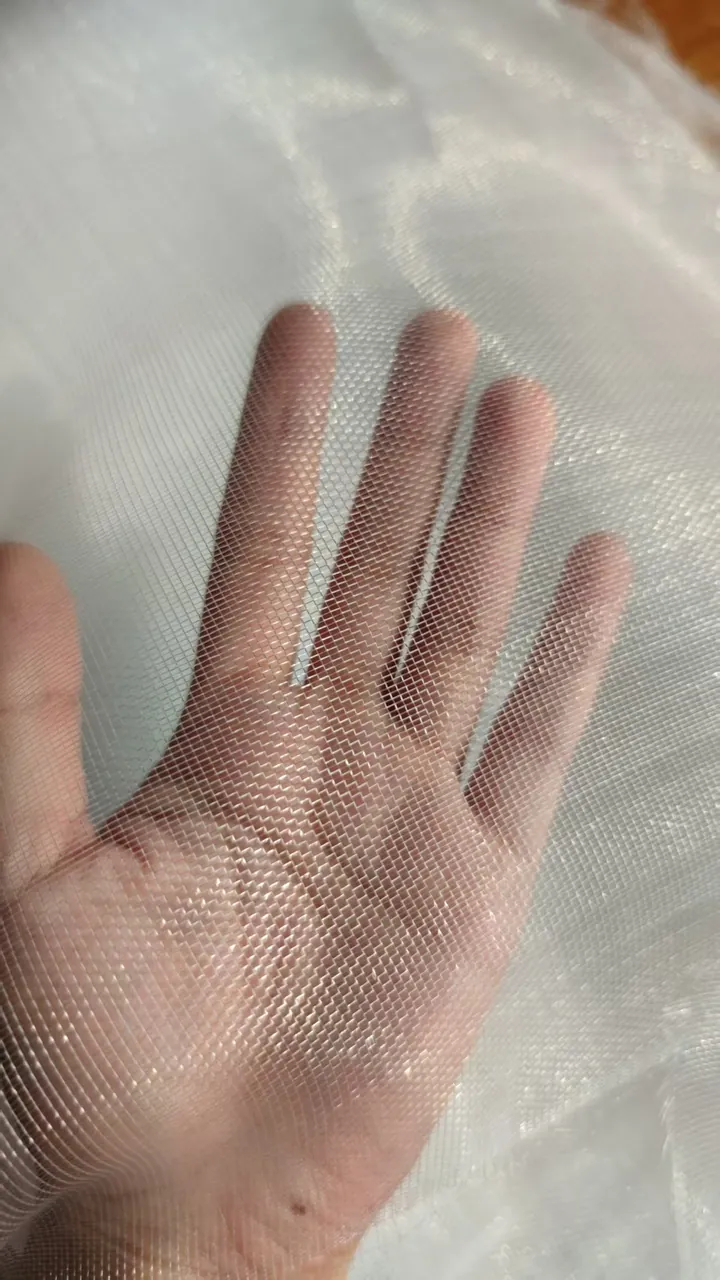
60 Mesh Heavy-Duty Insect Netting
Twice the weight of standard 60 mesh — for windy sites, tall net houses and roof vents.
View details →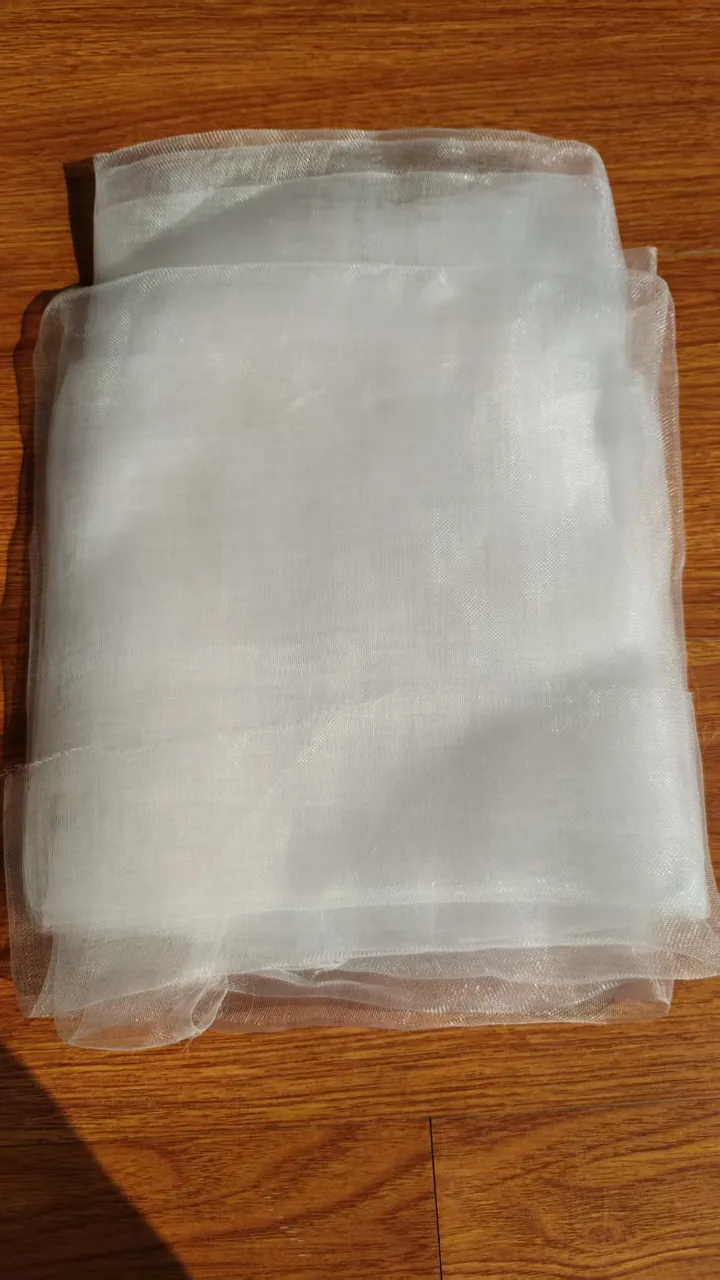
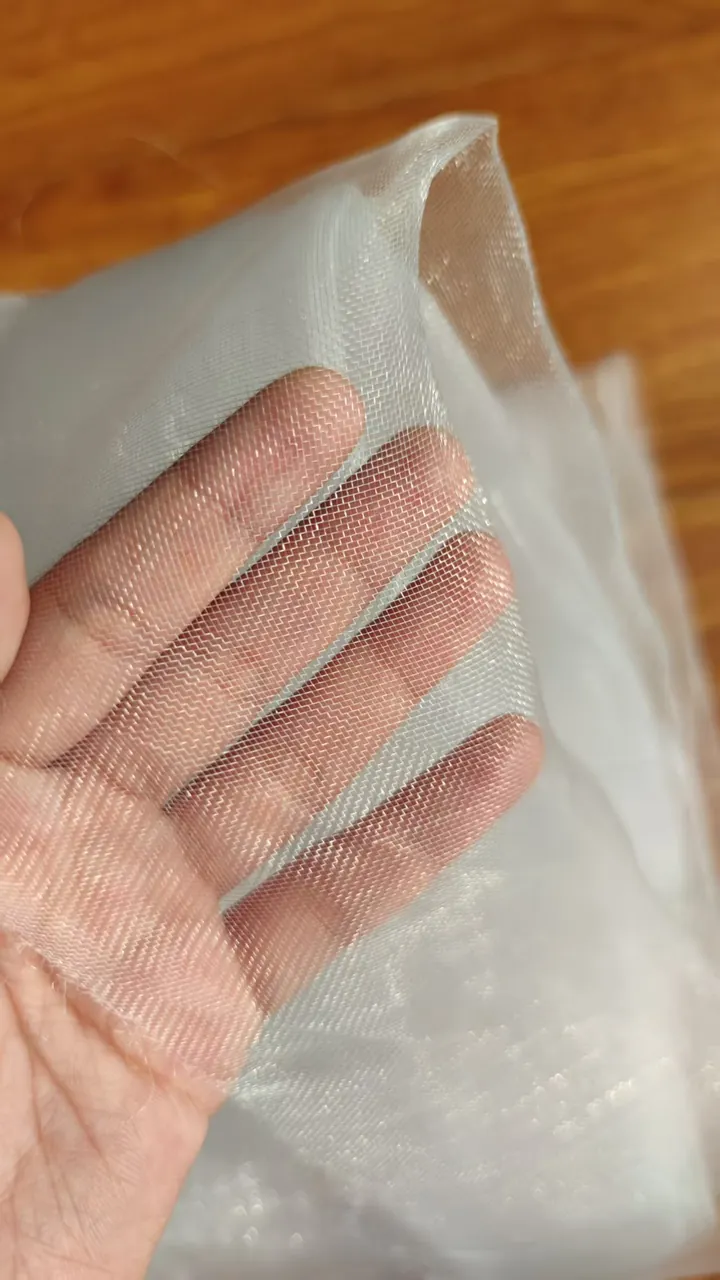
80 Mesh HDPE Insect Netting
A finer screen for whitefly, leaf miner and aphid pressure in greenhouses and nurseries.
View details →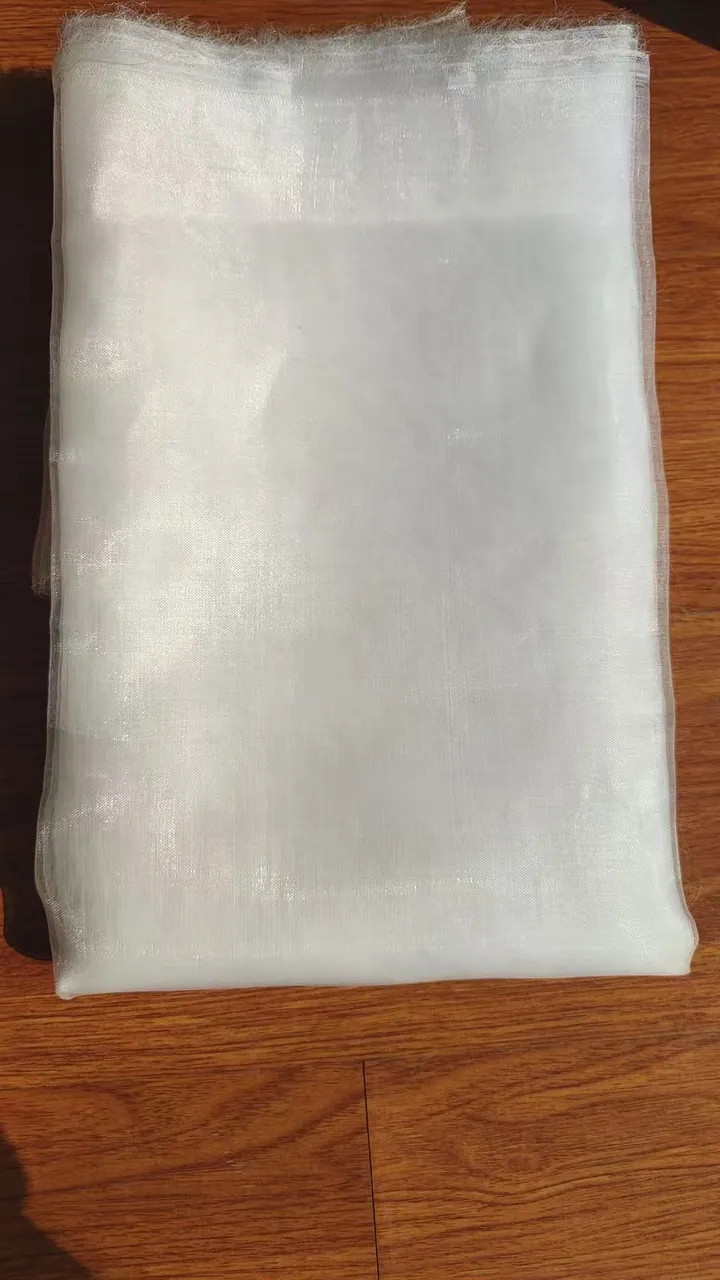
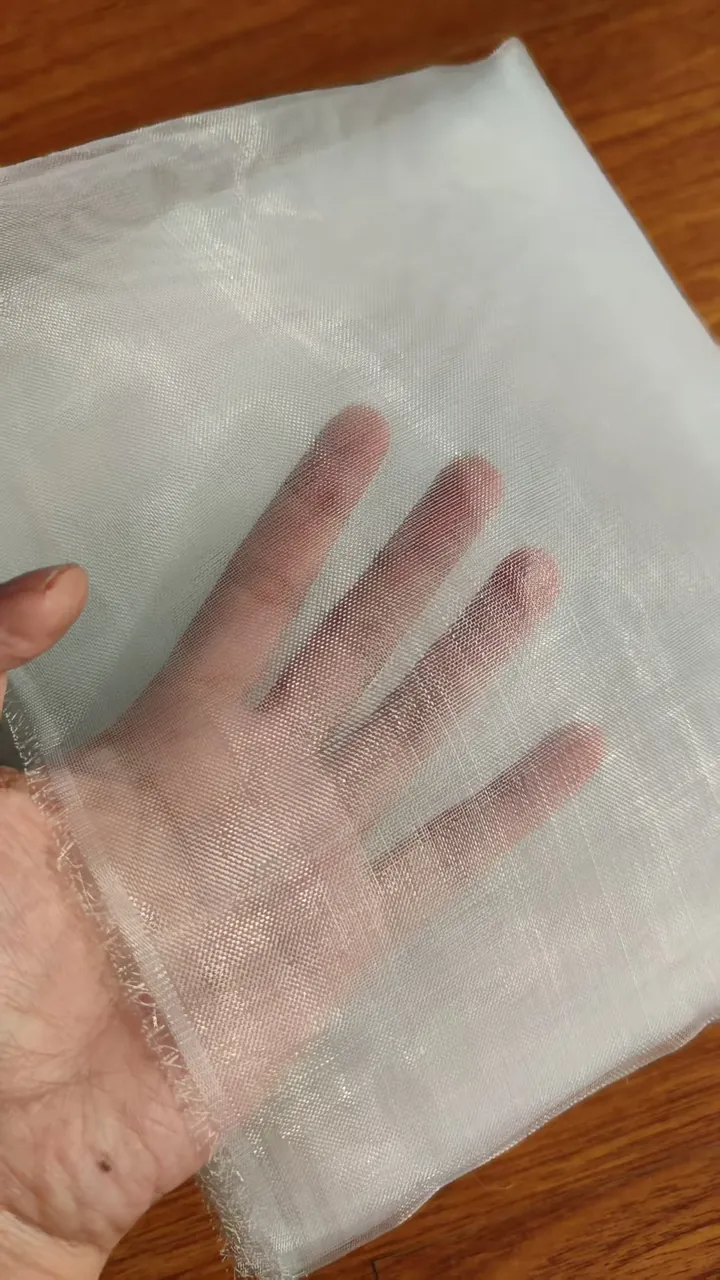
100 Mesh HDPE Insect Netting
Our tightest standard weave — seedling nurseries and high-value crops under heavy pest pressure.
View details →All five are available in transparent white; green, black and matched colours are produced on request. Widths 1–3 m, roll length cut to order.
Compare the Specifications
| Product | Mesh opening | Weight | Width | Best for |
|---|---|---|---|---|
| 40 Mesh HDPE Insect Netting | 1.4 mm | 20 GSM | 1–3 m (custom) | Fruit fly, moths, beetles; the most open screen in the range |
| 60 Mesh Standard Insect Netting | 1.3 mm | 20 GSM | 1–3 m (custom) | Aphids, whitefly, leaf miners; open fields, tunnels, general protection |
| 60 Mesh Heavy-Duty Insect Netting | 1.2 mm | 40 GSM | 1–3 m (custom) | Same pests, higher tear strength; coastal and windy structures |
| 80 Mesh HDPE Insect Netting | 0.7 mm | 25 GSM | 1–3 m (custom) | Whitefly, leaf miner, aphid pressure; greenhouse vents and nurseries |
| 100 Mesh HDPE Insect Netting | 0.4 mm | 37 GSM | 1–3 m (custom) | Thrips, spider mites, seedlings; the finest weave we produce |
All five are woven HDPE with the same 1–3 m width range and the same 5-year UV warranty — the differences are the mesh opening, the weight and the tear strength that comes with it.
Which Mesh Do I Need?
| What you need to keep out | Recommended product | Why |
|---|---|---|
| Fruit fly, moths, beetles | 40 Mesh HDPE Insect Netting | 1.4 mm opening — the most open weave, best airflow and light transmission |
| Aphids, whitefly, leaf miners | 60 Mesh Standard Insect Netting | 1.3 mm opening at 20 GSM — the general-purpose choice at the lowest cost per m² |
| Same pests on a windy or exposed site | 60 Mesh Heavy-Duty Insect Netting | Same 60 mesh at 40 GSM — twice the weight, much higher tear strength |
| Whitefly, leaf miner pressure in greenhouses | 80 Mesh HDPE Insect Netting | 0.7 mm opening at 25 GSM — finer screen, still workable ventilation |
| Thrips, spider mites, seedlings and nurseries | 100 Mesh HDPE Insect Netting | 0.4 mm opening at 37 GSM — the tightest weave in the standard range |
If you are screening a whole greenhouse, the usual plan is a finer mesh over the vents and a coarser mesh on the sidewalls: 100 mesh on vents with 40–60 mesh on the walls keeps thrips out of the openings that matter without turning the house into an oven.
Why Buy from the Factory
Years of weaving
Insect netting since 1998, from a weaving workshop to a dedicated insect-net plant in Jinan, Shandong.
Specialized machines
Extrusion, warping, weaving, heat setting, cutting and eyeleting all under one roof — no trading margin, no sub-supplier.
UV warranty
Stabilizer goes into the yarn during extrusion, so the screen does not turn brittle in its second summer.
Your specification
Mesh count, weight, width, colour and label produced to your requirement, with mixed containers welcome.
Frequently Asked Questions
Which mesh count should I choose?
40 mesh is the most open screen — it keeps fruit flies, moths and beetles out with maximum airflow. 60 mesh standard is the general-purpose choice for aphids, whitefly and leaf miners in open fields and tunnels. 60 mesh heavy-duty is the same mesh at twice the weight, for windy sites, roof vents and long net houses. 80 mesh is for whitefly, leaf miner and aphid pressure in greenhouses and nurseries, and 100 mesh is our tightest weave, used for seedling nurseries and high-value crops.
What do 20 GSM and 1.4 mm actually mean?
GSM is the weight of one square metre of net — 20 GSM is a light screen, 40 GSM is a heavy-duty one. The millimetre figure is the mesh opening: 1.4 mm for 40 mesh, 1.3 mm for 60 mesh, 1.2 mm for heavy-duty 60 mesh, 0.7 mm for 80 mesh and 0.4 mm for 100 mesh. Weight and opening are the two numbers that decide airflow, tear strength and what the net stops.
Are the nets woven or knitted?
All five products are woven HDPE insect netting, made from UV-stabilized monofilament on water-jet and rapier looms in our own plant in Jinan, Shandong. A woven structure keeps the openings square and the roll dimensionally stable, which is what makes the mesh count hold across a 1–3 m width.
What widths and lengths can you supply?
Standard widths are 1 m to 3 m; wider covers are sewn from panels, and rolls can be cut to your required length, normally 25 m to 200 m. Tell us the tunnel or greenhouse dimensions and we will work out the most economical cutting plan.
Can I get a sample before ordering?
Yes. Free swatches of each mesh count are available so you can check the weave, weight and opening before ordering. You cover the courier cost, which is deducted from your first order.
Not Sure Which Mesh Fits Your Crop?
Send us the pest, the structure and the dimensions. We reply with the right mesh count, price and lead time within 24 hours.